Building Envelope Upgrades Behind Your New Siding
New siding is the one time in a house’s life when the outside of the wall is open, and in Calgary that is the cheapest moment to fix what is behind it. This page explains the four layers we can add or repair during a re-side, how they work together, and how to decide which ones your wall needs.
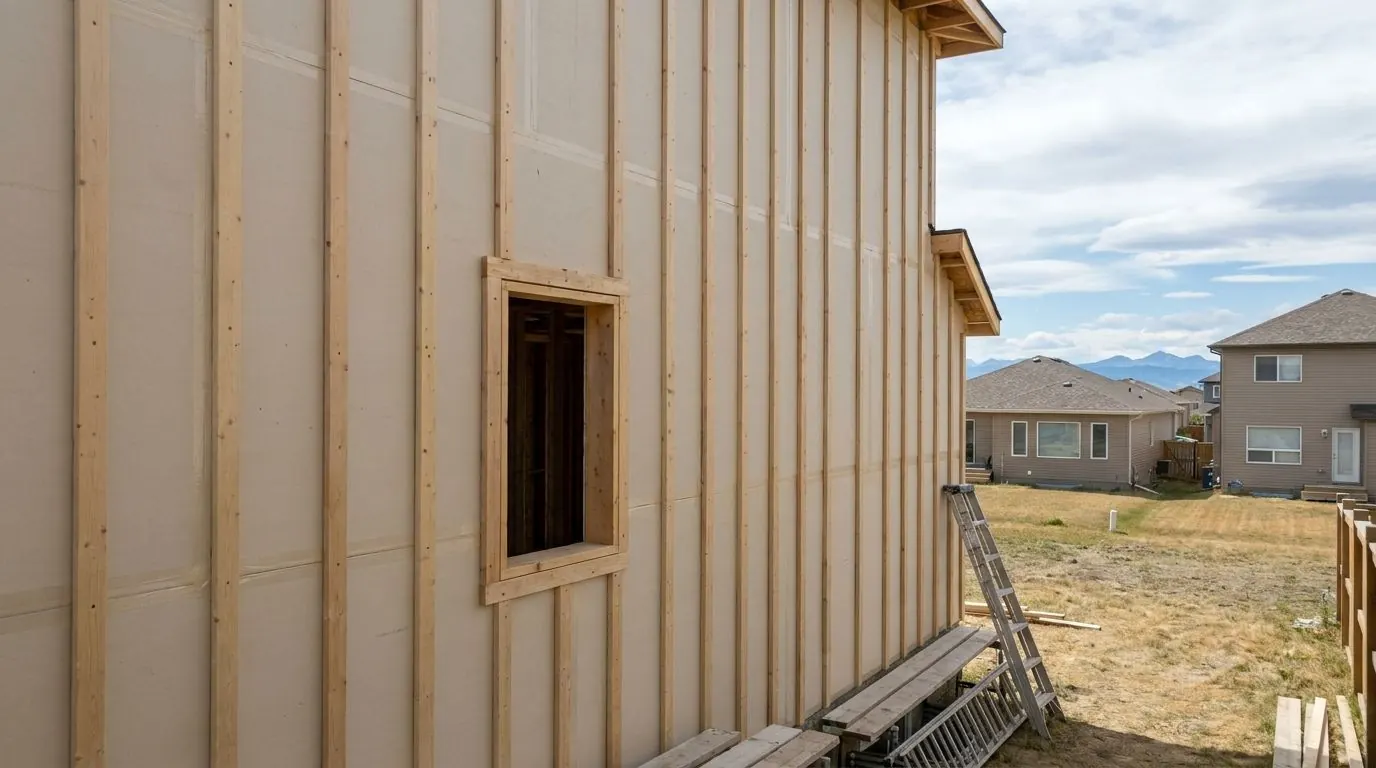
How These Systems Differ
The building code treats a wall exposed to weather as two lines of defence. The first plane is the cladding itself, with its trim, flashing and fasteners. The second plane catches the water that gets past the siding and sends it back outside. In Calgary that second plane is usually a breather-type sheathing membrane over the sheathing, lapped at least 100 mm with upper sheets over lower, plus flashing at windows, doors and every horizontal junction. The City of Calgary advises having the weather-resistive barrier inspected, repaired or replaced whenever siding is replaced. House wrap and weather barrier work is therefore the one envelope service that belongs on almost every re-siding job.
The other three services are choices. Exterior rigid insulation adds a continuous layer of foam or stone wool over the sheathing, which covers the studs that interrupt the insulation inside the wall. It comes with a rule: foam boards thick enough to act as a vapour retarder must be thick enough, relative to the cavity insulation inside, to keep the sheathing warm. In Calgary the outside layer needs at least 30% of the insulating value of what is inside it, so a thin layer of foam over a 2×6 wall can be worse than none. Stone wool boards such as ROCKWOOL Comfortboard 80 are vapour permeable and non-combustible, which changes that calculation. Rain screen siding adds furring strips that hold the cladding off the wall so water can drain and the back of the siding can dry.
Window and door capping is the fourth service, and the one most often done badly. Bent aluminum over old wood brickmould protects the wood and matches the new siding, but capping is a cover, not a flashing. If water gets behind it, it stays there. So we check and repair the wood first, form caps so each piece laps over the one below and sheds onto the siding, and seal between siding and frames as the code requires. None of these four layers is visible when the job is finished, which is exactly why they need to be decided before the siding is ordered.
Envelope & Insulation Services
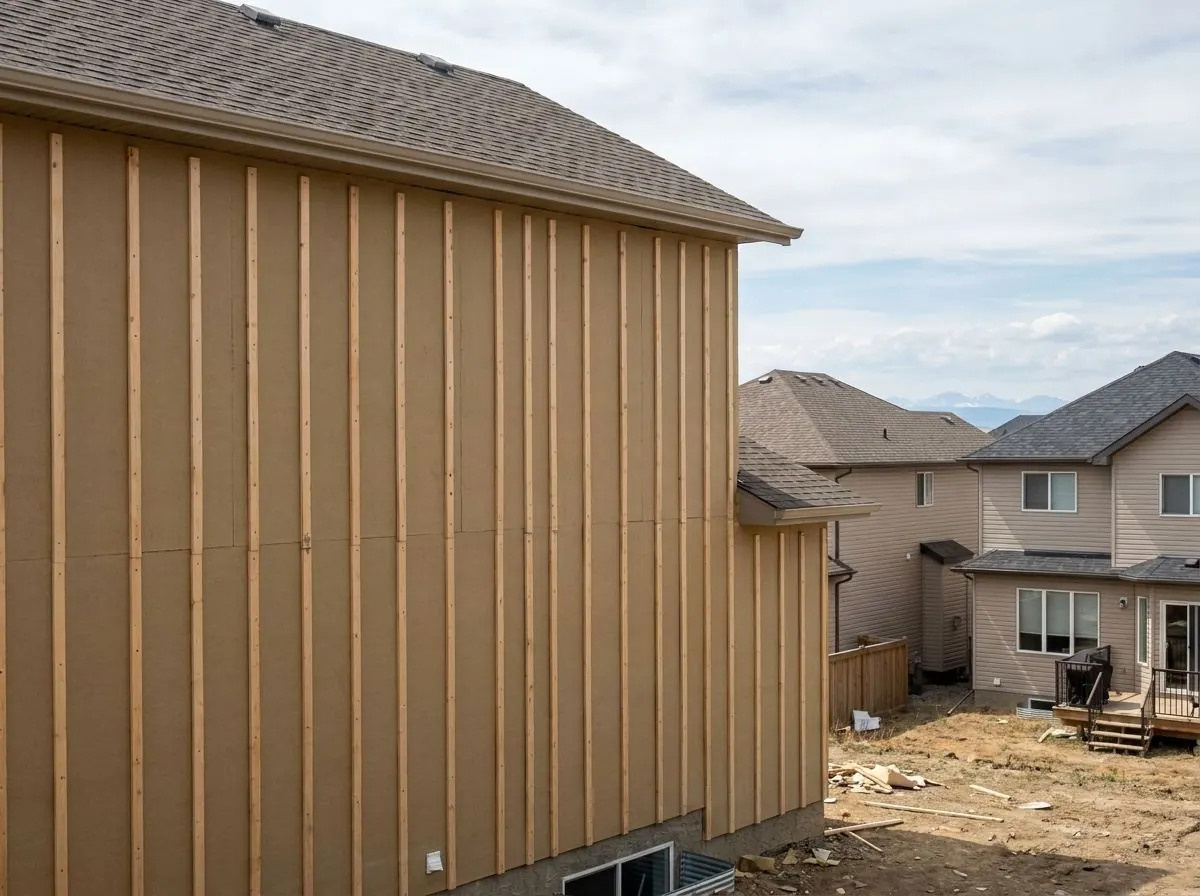
Continuous Exterior Rigid Insulation (CI)
Rigid foam or stone wool over the sheathing to stop heat escaping through the studs.
How it works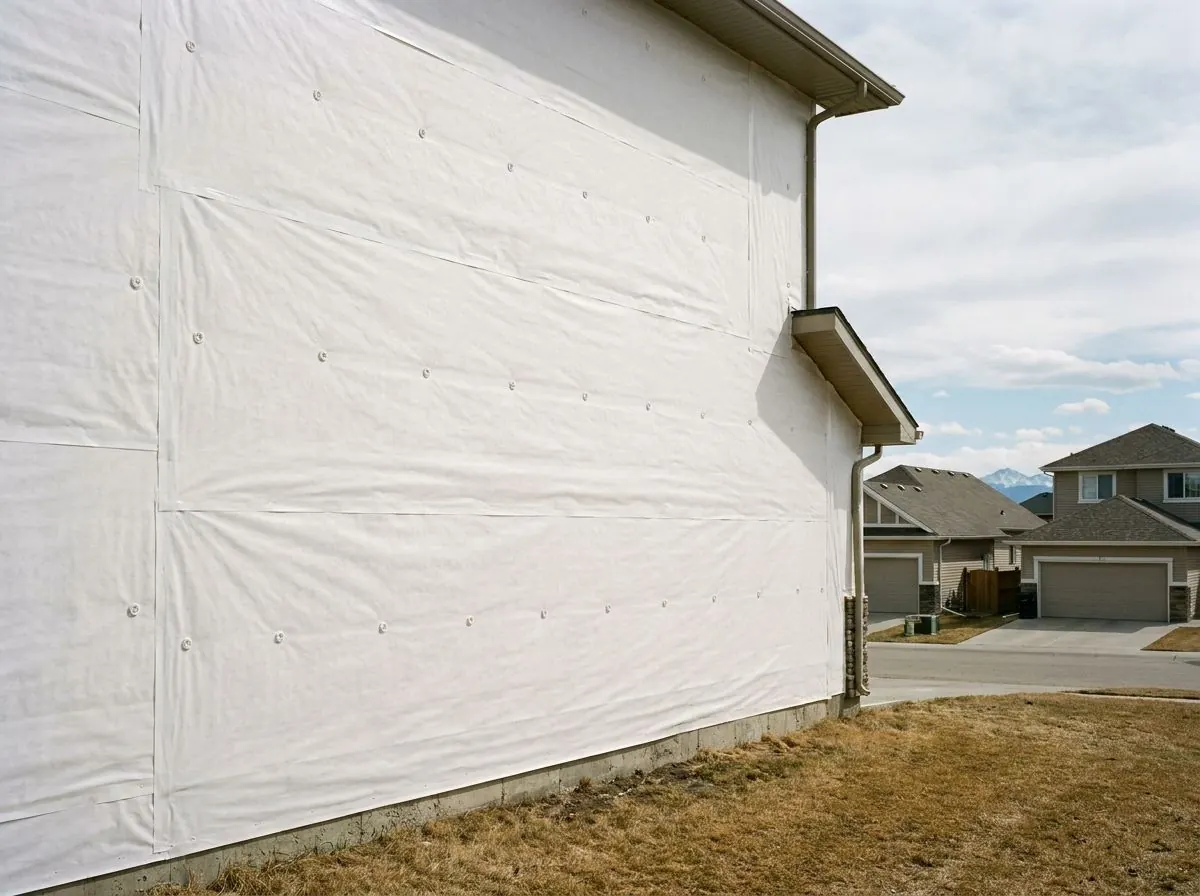
Weather-Resistive Barrier (WRB) & Housewrap
Tyvek, building paper or self-adhered membrane, lapped, taped and flashed.
How it works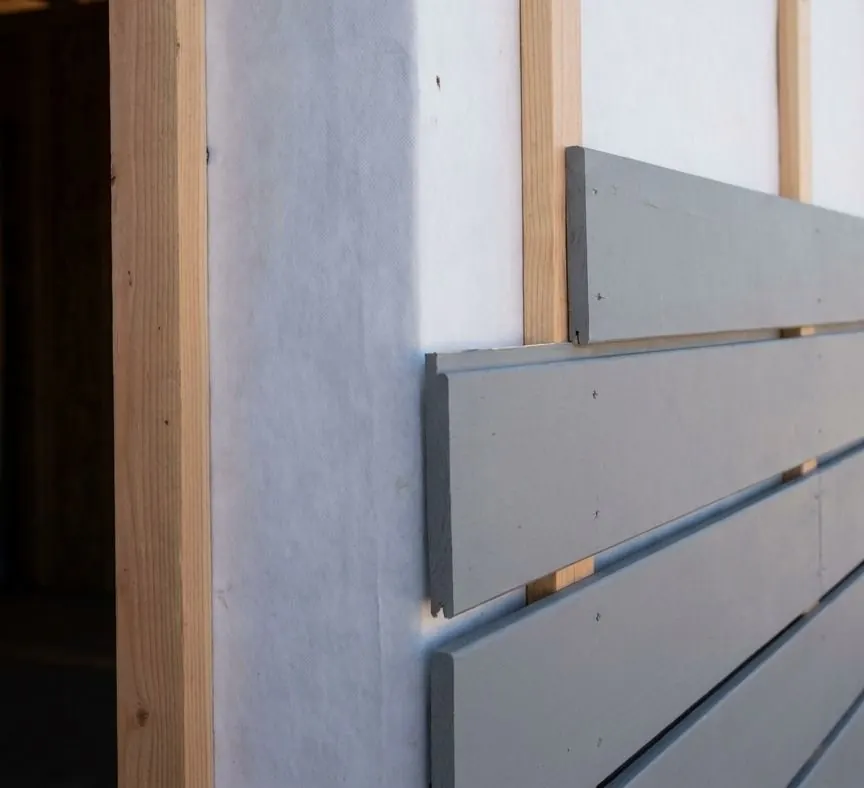
Rain Screen & Cavity Ventilation Systems
Furring or drainage mat leaving a drained, vented gap behind the cladding.
How it works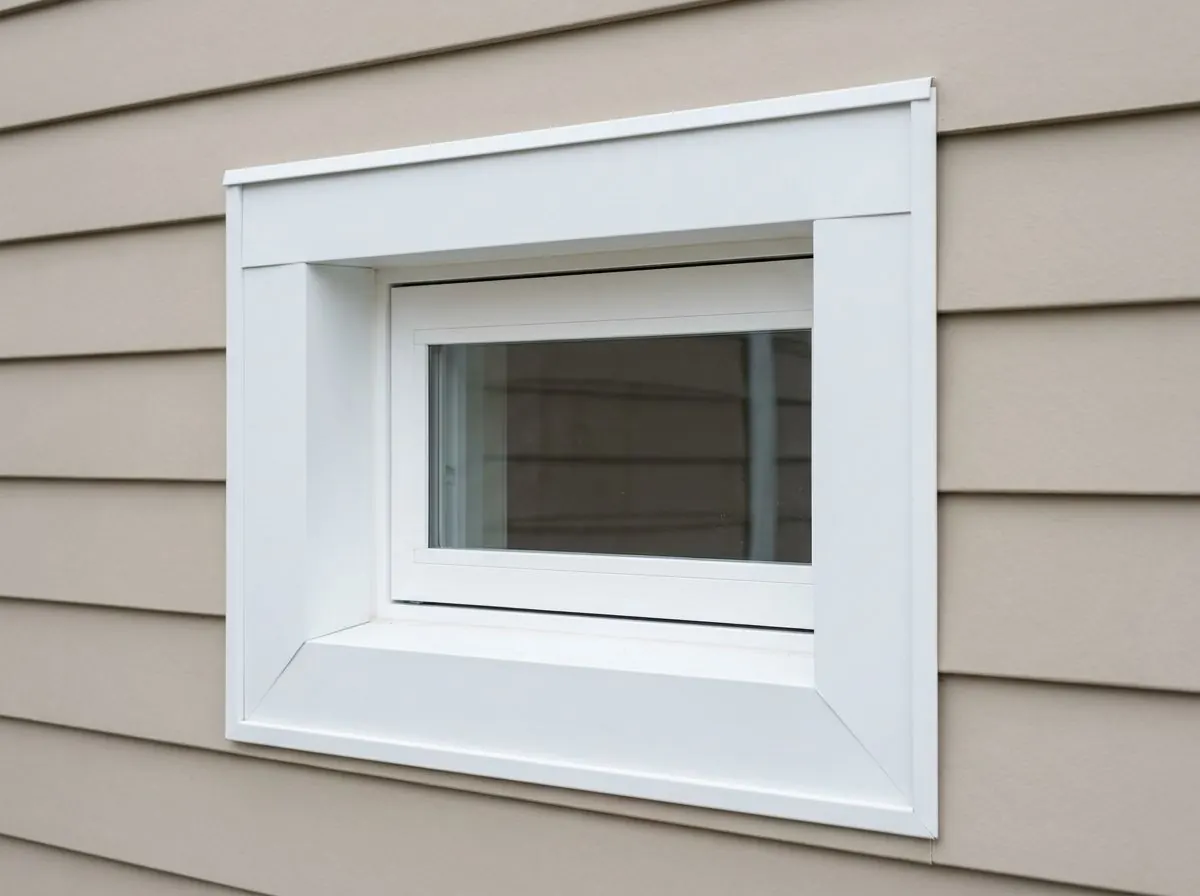
Custom Window & Door Aluminum Capping
Bent aluminum over wood brickmould and bucks, lapped and sealed to shed water.
How it worksChoosing Between Them
- Always inspect the weather barrier
- Treat house wrap and flashing as the baseline for any re-side. If the existing membrane is torn, brittle or missing at windows, it is replaced; if it is sound, it is repaired and re-flashed around openings.
- Add a rain screen for specific claddings
- Calgary’s dry climate means the code does not force a rain screen cavity on a house here. We still recommend one behind cedar and some metal systems, and some products require one regardless, such as HardiePanel vertical siding and synthetic housewraps whose evaluations call for an air space.
- Add exterior insulation on older, colder walls
- Exterior rigid insulation makes most sense on older homes with thin walls, or where the owner is already planning an energy upgrade. It adds depth at every window and door, so trim and capping details change with it.
- Cap windows only over sound wood
- Choose window and door capping when the frames are staying and the wood beneath is solid or repairable. If the frames are rotten through, capping hides the problem instead of solving it.
Envelope & Insulation: Common Questions
Do I need exterior insulation when I re-side?
Which envelope upgrades matter on a straight re-side?
Can envelope work turn a siding job into a permit job?
Other Siding & Exterior Services
Talk to Us About Envelope & Insulation
Tell us about the house and what is going wrong with the walls. We will recommend the system that fits, including when a cheaper one will do.