Aluminum, Cedar and Stone Veneer Cladding Options
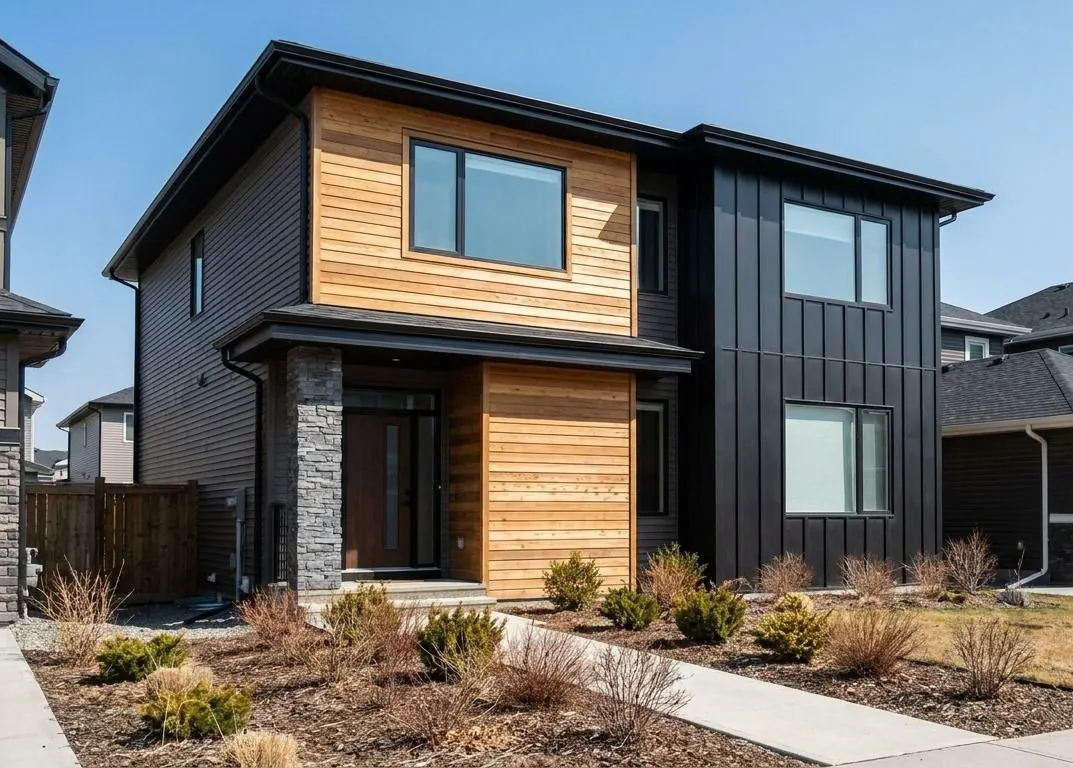
Metal, cedar and stone veneer are the claddings Calgary homeowners reach for when vinyl or fibre cement is not the look they want. They are three very different materials with different codes, failure points and upkeep, and this page sets out how to choose between them and how to combine them on one exterior.
How These Systems Differ
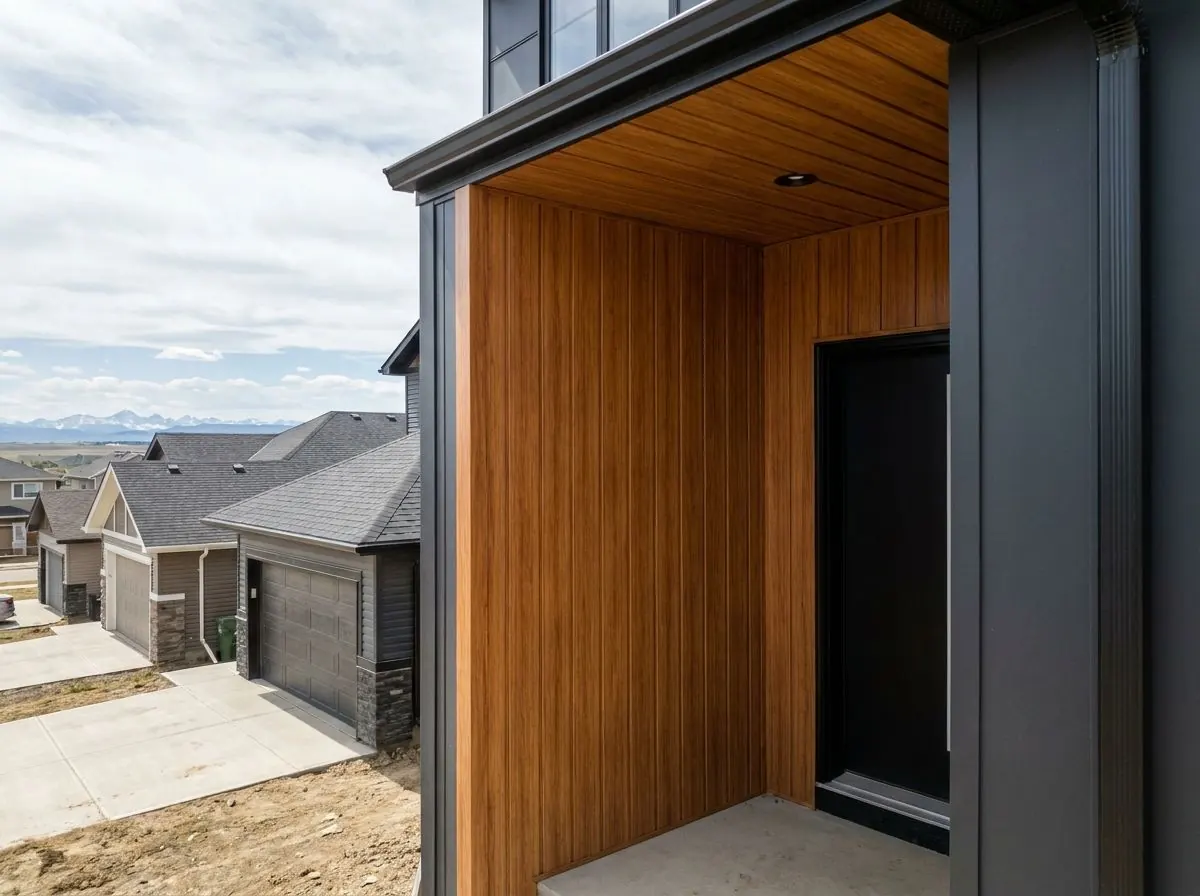
Metal cladding in this category comes two ways. Aluminum and Longboard siding are plank systems: Longboard makes aluminum façade systems with powder-coated finishes that replicate wood, stone and aged metals, and says its products are tested to CAN/ULC-S114 non-combustibility standards. Metal wall panels are wider steel or aluminum profiles, either ribbed with exposed fasteners or smooth with concealed fasteners along one edge. In Alberta, steel cladding must be at least 0.33 mm thick and conform to CSSBI 23M, and strip aluminum siding conforms to CAN/CGSB-93.2-M. The City of Calgary’s guide says aluminum can dent or scratch in hail without affecting the integrity of the home, and that steel stands up well to wind, rain, hail and winter storms. Wide flat metal panels can show oil canning, a cosmetic waviness that careful furring and fastening reduce but no one can promise to eliminate.
Cedar siding is the natural option, and it asks the most of its installer and owner. The Western Red Cedar Lumber Association calls for hot-dipped galvanized, aluminum or stainless steel nails, with stainless the best choice under transparent stain, and warns that copper nails react with cedar. Each piece is nailed on its own so it can move with moisture, all faces are coated before installation, and over rigid foam a furred air space lets moisture vent from the back of the boards. The building code requires 200 mm between untreated wood and finished ground. Cedar is combustible, and the City of Calgary notes natural wood is prone to damage from wildfire, high winds and hail.
Stone veneer here means adhered manufactured stone, which is a different thing in the code from a full masonry veneer with its own air space and weep holes. Adhered stone goes on over two layers of water-resistive barrier, lath and a scratch coat, installed to the stone manufacturer’s instructions and ASTM C1780, with a weep screed at the base held above grade and paving to the manufacturer’s clearances. The City of Calgary describes stone as fire resistant and unaffected by high winds, but susceptible to cracking through freeze-thaw cycles. The common stone repairs start at the base: no weep screed, stone buried in landscaping, or no kickout flashing above.
Metal, Cedar & Stone Services
Longboard & Architectural Aluminum Siding
Wood-grain aluminum plank and panel siding: non-combustible and very low upkeep.
How it works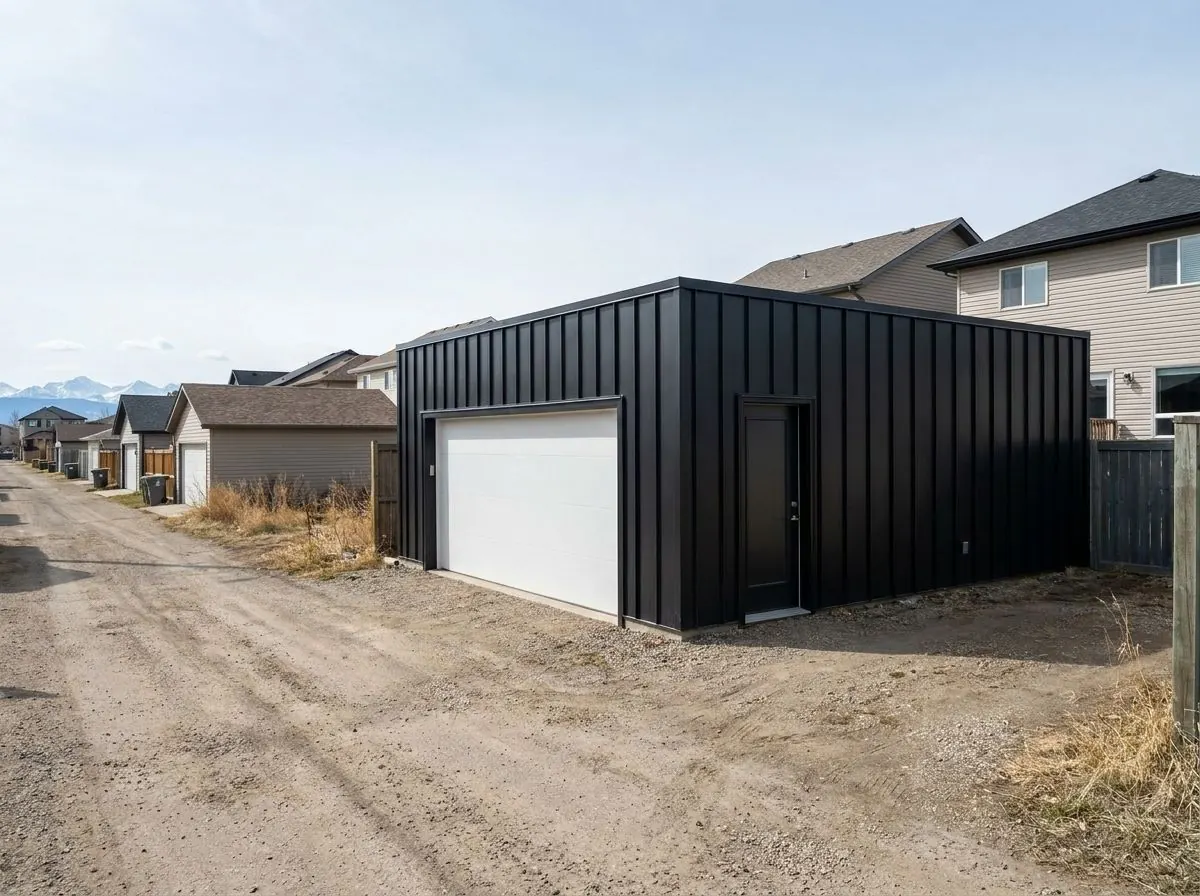
Corrugated & Standing Seam Metal Siding
Corrugated, ribbed and standing seam steel or aluminum panels for walls.
How it works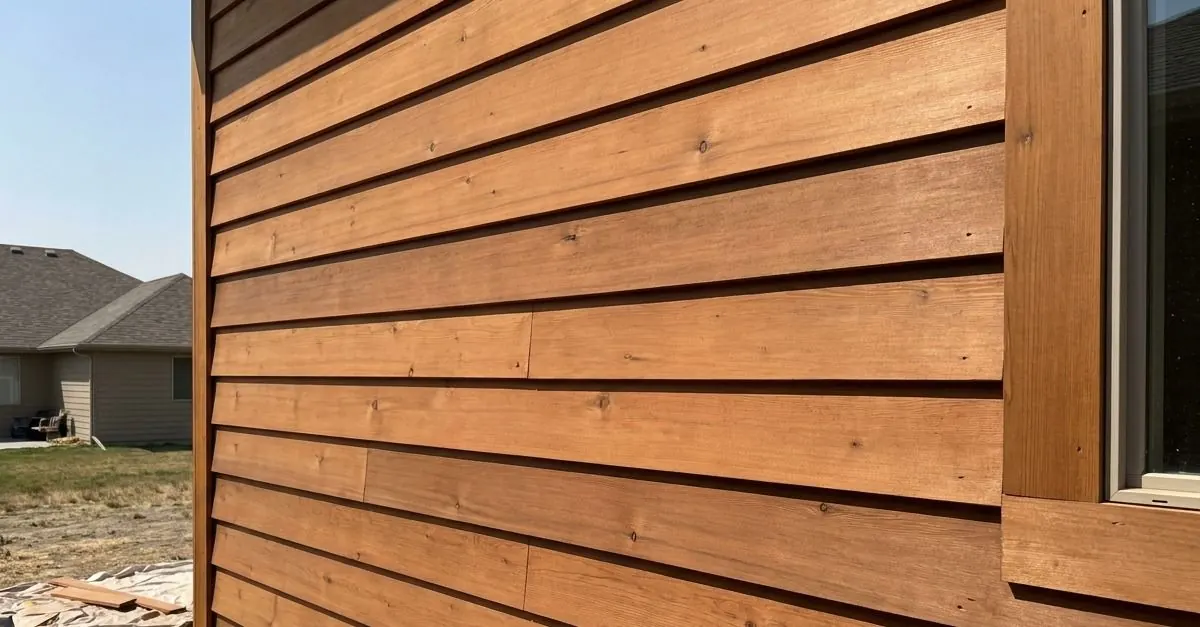
Western Red Cedar & Natural Wood Siding
Western red cedar lap, tongue-and-groove, shingles and board replacement.
How it works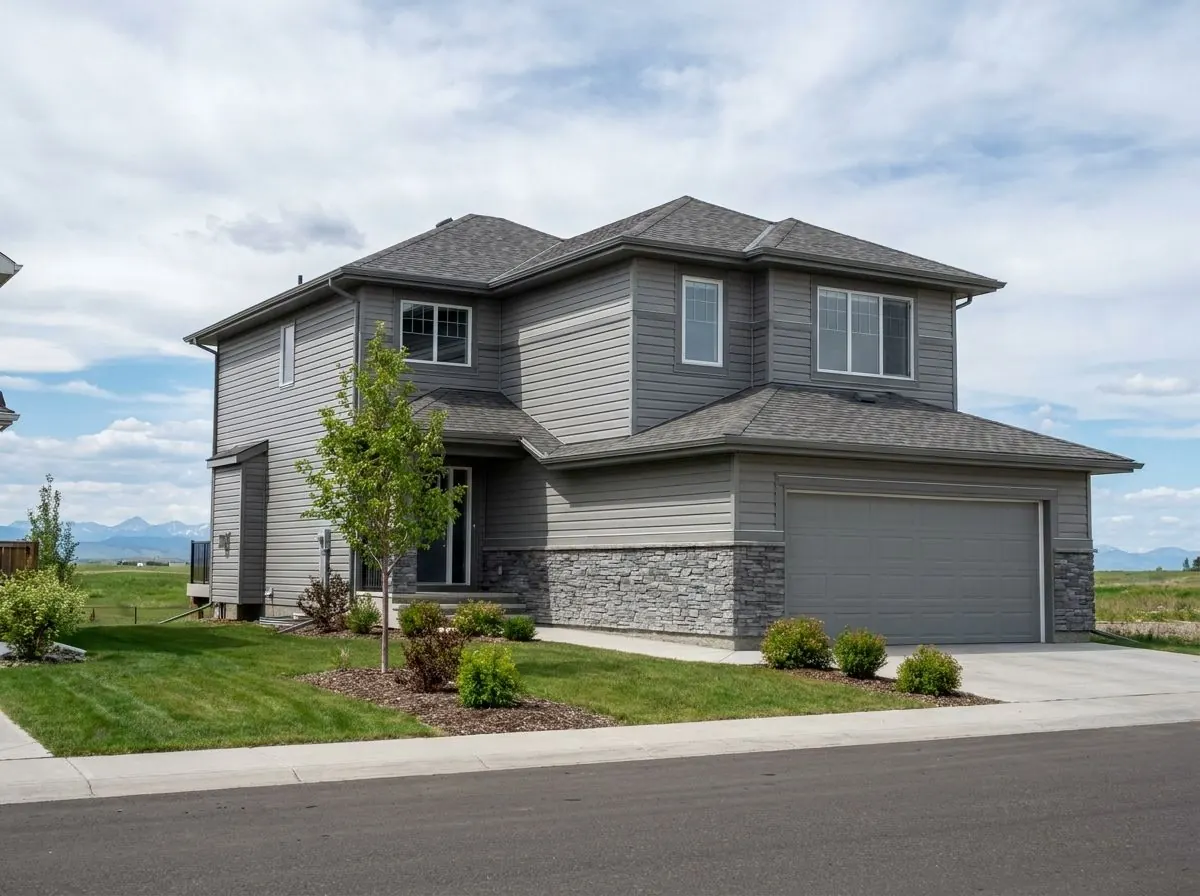
Manufactured Stone Veneer & Masonry Accents
Cultured and stacked stone wainscots, pillars and entries, detailed to drain.
How it worksChoosing Between Them
- Aluminum or Longboard for a wood look in metal
- Choose aluminum and Longboard siding when you want wood-grain soffit-to-grade accents, entries or full modern walls without wood upkeep. It is non-combustible, and damaged boards can typically be replaced individually on plank systems.
- Metal wall panels for modern and utility walls
- Choose metal wall panels for contemporary infills, garages and small commercial walls where a clean ribbed or flat profile is the point. Specify flat, true furring and narrower flats or stiffening ribs if oil canning would bother you.
- Cedar when only real wood will do
- Choose cedar siding for a new wood exterior or to repair split and weathered boards on an older cedar home so the wall reads as one again. Budget for proper fasteners, back-priming and a finish schedule, and avoid it on walls near a property line.
- Stone veneer as a base or accent
- Choose stone veneer for column bases, entries and wainscots rather than whole walls. Plan the landscaping with it, because stone buried in soil or mulch cannot drain.
Metal, Cedar & Stone: Common Questions
Metal or fibre cement for a modern Calgary exterior?
Can I mix stone, metal and siding on one wall?
Real cedar, or a wood-look alternative?
Other Siding & Exterior Services
Talk to Us About Metal, Cedar & Stone
Tell us about the house and what is going wrong with the walls. We will recommend the system that fits, including when a cheaper one will do.